HIM
July 17, 2026
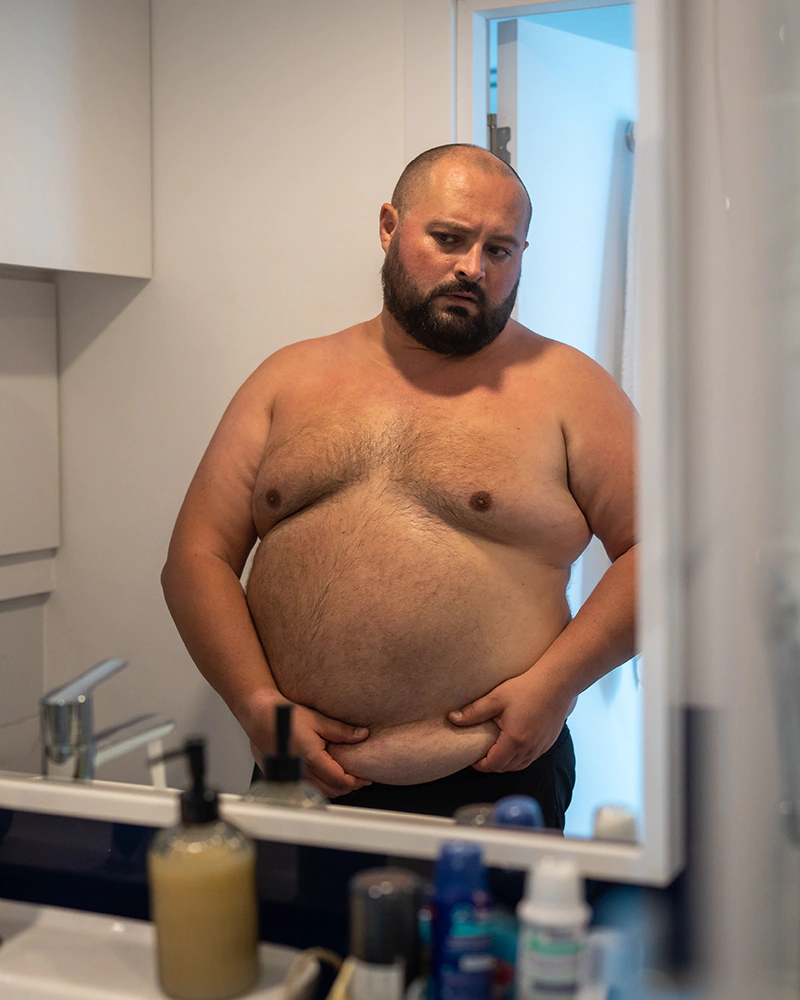
Many men are unsure whether the fullness they see in their chest is simply fat or true gynecomastia.
At HIM Plastic Surgery in Dallas, Dr. Vitali Azouz frequently evaluates patients who have spent years trying to improve their chest appearance through exercise without success.
Gynecomastia occurs when glandular breast tissue develops beneath the nipple area.
Unlike fat, glandular tissue generally does not respond to diet or exercise.
Common signs that may suggest gynecomastia include:
- Puffy nipples
- Persistent chest fullness
- Firm tissue beneath the nipple
- Chest asymmetry
- Enlarged male breasts despite low body fat
If more than one of these sounds familiar, the
gynecomastia pinch test is the fastest way to check whether you’re feeling gland or fat — it takes about a minute in front of a mirror.
Many men first notice the condition during adolescence.
Others develop it later in life due to hormonal changes, medications, genetics, or previous anabolic steroid use.
In 2026, awareness surrounding gynecomastia has increased significantly.
Social media and greater discussion of male body image have encouraged more men to seek answers regarding their chest concerns.
Patients frequently report:
- Avoiding fitted shirts
- Feeling uncomfortable at the beach
- Avoiding locker rooms
- Reduced confidence in social settings
A professional consultation can help determine whether the concern involves glandular tissue, excess fat, skin laxity, or a combination of factors.
Many men feel relieved after finally understanding the reason their chest has not responded to exercise.
Proper diagnosis is the first step toward identifying potential treatment options.
As male aesthetics continue to evolve, more men are taking proactive steps to improve both their appearance and confidence.
Wondering if you may have gynecomastia?
Dr. Vitali Azouz at HIM Plastic Surgery proudly serves patients from Dallas, Fort Worth, Arlington, Irving, and Plano with specialized male breast evaluations.
Or Call (469) 507-3446
